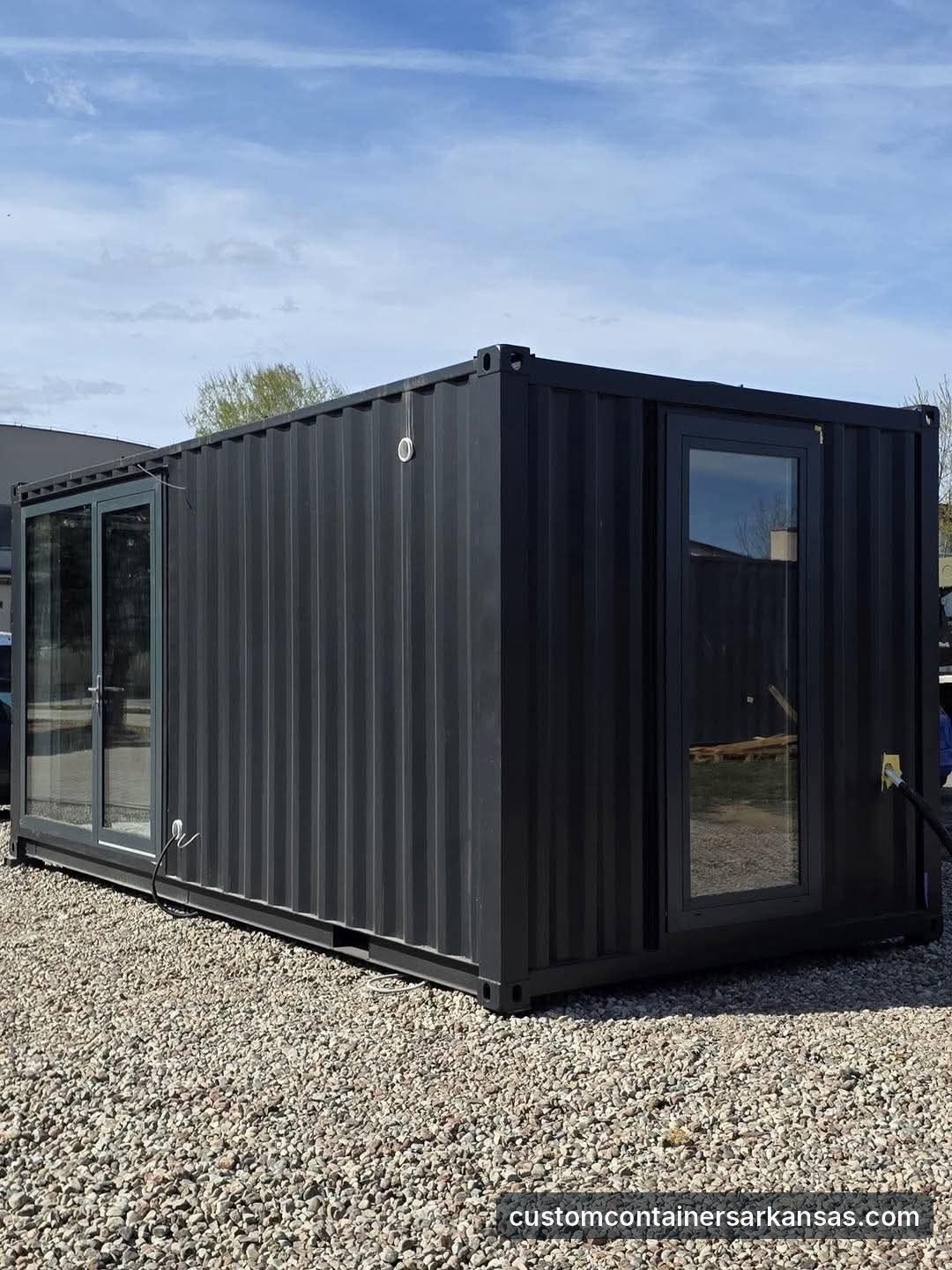
When a restaurant cold storage container makes sense
A restaurant cold storage container is a walk-in freezer that arrives on a truck. It sits behind your building, plugs into power and gives you frozen storage without remodeling your kitchen. For some kitchens it's the right fix. For others, a second reach-in or a better delivery schedule does the job. This guide walks through the decision in the order you'd actually face it: whether you need the space, how the unit works, where it goes, what to ask about power and food safety, and when it isn't the right call.
Signs you've outgrown your walk-in
Most kitchens don't run out of freezer space all at once. It creeps up. Common signs:
- Cases stacked in the aisle of the walk-in, so staff dig to reach the product they need.
- You can't take a large delivery because there's nowhere to put it.
- More deliveries than you want in a week, just to keep the freezer from overflowing.
- Catering or holiday orders that need staging space for a few weeks at a time.
- A second location or food truck working out of the same kitchen.
If two or three of these sound familiar, extra frozen storage on site is worth a closer look. If it's only the holiday rush, read the seasonal section below before you decide.
How a freezer container works
A refrigerated container, often called a reefer, is an insulated steel box with a refrigeration unit built into one end. The unit cools the air and pushes it through the box. The walls, roof, floor and doors are insulated, so the box holds the cold in between cycles.
Our 20ft refrigerated freezer container is a used, insulated reefer box fitted with a new 3.5 HP freezer unit that runs on single-phase power. If you need cooler rather than frozen storage, our refrigerated and freezer containers section also lists a 40ft wine cooler. Because the box is used, it's worth knowing what to look at on any used container. Our guide on how to inspect a used shipping container covers the doors, seals, roof and floor.
Day to day, it works much like a walk-in:
- Staff open the end doors, step in and load shelving or pallets.
- The refrigeration unit runs on its own control. Follow the unit's manual for settings and defrost.
- The door seals do a lot of the work. Keep them clean, close the doors fully and don't prop them open during long unloads.
Space, placement and the delivery path behind a restaurant
The container has to fit two places: the spot where it'll sit, and the path the truck takes to get there. Restaurants are often tight on both.
The spot. Look for ground that's level, firm and drains well. Gravel, concrete or a paved lot all work if they're level. Think about daily use, too:
- Door direction. The doors are at one end. Point them toward the kitchen's back door so staff aren't walking around the box with a hand truck.
- Refrigeration unit clearance. The unit sits at the opposite end from the doors and needs room to move air. Don't box it in against a wall or fence. Check the unit's manual for its clearance needs.
- Shade and drainage. A spot out of standing water keeps the floor dry and the area safe to walk in wet weather.
- Fire lanes and dumpsters. Don't block a fire lane, a grease trap lid or the route your waste hauler uses.
The delivery path. A container arrives on a truck that needs straight-line room to back in and set the box down. Alleys behind restaurants often have overhead wires, low tree limbs, tight turns and parked cars. Walk the route before you order and measure the narrowest point. Our delivery site-prep checklist lists what to check.
Power: what to ask your electrician
Power is the part to sort out first, because it decides whether a spot works at all. Our freezer unit runs on single-phase power, so ask us about your power setup when you inquire. The hookup itself is a job for a licensed electrician. Questions to bring them:
- Does my service and panel have room for the freezer unit's load?
- Does it need a dedicated circuit, and what size?
- How far is the panel from the container spot, and what does that run involve?
- What kind of outdoor-rated connection does the unit need?
- Does my city or county require an electrical permit and inspection?
Don't run a freezer unit on an extension cord from the kitchen. If your electrician says the spot is a poor fit, move the spot rather than forcing the wiring.
Food-safety temperatures and logs
A freezer container is part of your food storage, so treat it the same way you treat your walk-in. In general, that means:
- A thermometer you can read without opening the doors, plus a second thermometer inside to check it.
- A temperature log with readings at set times each shift, initialed by whoever checked.
- A plan for an outage. Decide ahead of time who gets called, how long the doors stay shut and when product gets moved or checked.
- Clean, sealed storage. Keep product off the floor on shelving or pallets and labeled with dates, the same as indoors.
For the target temperatures and holding rules that apply to you, go by your local health department. The FDA Food Code is a model that FDA offers for adoption by state and local governments, so your health department's version of it is what your inspector will check against.
Health department and landlord checks
Before you order, make two calls.
Your local health department. Ask whether outdoor frozen storage is allowed for your permit, whether they need to see plans first, and what they'll look for on inspection (surfaces, shelving, thermometers, pest control). Rules vary from place to place, so don't assume a neighbor's setup will pass for you.
Your landlord or property manager. If you lease, the lot probably isn't yours to use as you like. Get written permission for the spot, the power hookup and any parking spaces the container takes up. Your city may also have zoning or placement rules. Our permits by state guide is a starting point, and your city or county has the final word.
If you're in the Memphis area, our page on containers for Memphis restaurants covers local delivery across the river from our Marion yard.
Seasonal and catering use
Plenty of kitchens only need extra frozen space part of the year:
- Holiday catering, when orders pile up for a few weeks.
- Festivals and events, where you prep in volume ahead of time.
- Game processing in hunting season.
- Farm produce that needs freezing in bulk after harvest.
A container you own can sit idle in the slow months, but it still needs power and a check now and then. When it isn't running, clean it, prop the doors slightly so it can air out, and keep the seals in good shape.
When a freezer container isn't the right fix
Be honest with yourself about these:
- No workable spot. If there's no level ground the truck can reach, a container won't solve the problem.
- No power at the spot. If the electrical work is a major job, a second reach-in inside may be simpler.
- You need refrigerated, not frozen, space. Our unit is a freezer. If cooler storage is what you're short on, say so in your inquiry so we can talk it through.
- Your health department or landlord says no. Get that answer before you order.
Get a freezer container quoted
Tell us your delivery ZIP, a short description of the spot (ground, access, distance to power) and how you plan to use the container. We'll be in touch within 1 business day with a written quote that includes delivery and sales tax. Payment is by bank transfer, and our bank details come with the quote.
Request a quote for a freezer container. Delivery and sales tax are included.
Frequently asked questions
Can a freezer container sit on a parking space behind the restaurant?
Often it can, if the ground is level and firm and the truck can reach it. Check your lease, fire lanes and local rules first, and keep the refrigeration unit end clear.
Does a freezer container need its own circuit?
Ask a licensed electrician. They'll look at your panel, the unit's power requirements and the distance to the container, then tell you what the hookup needs and whether a permit applies.