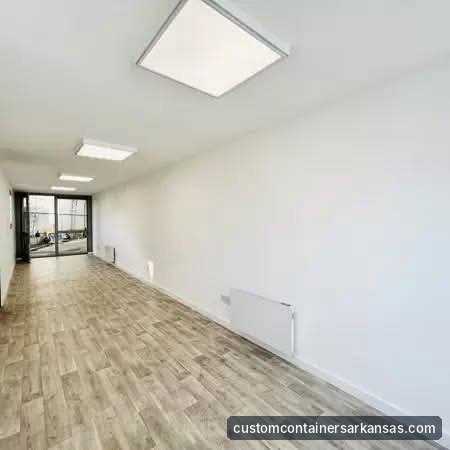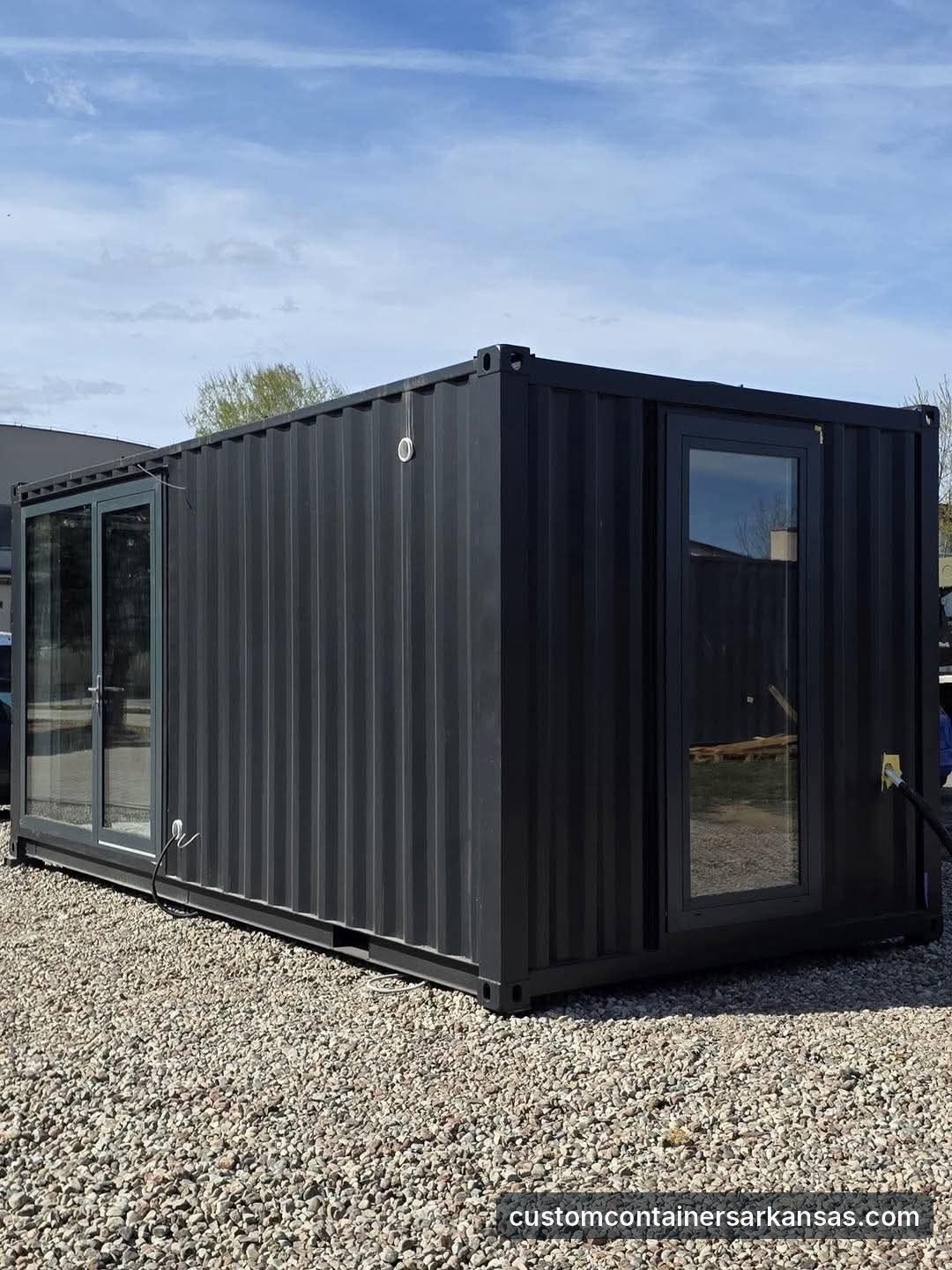
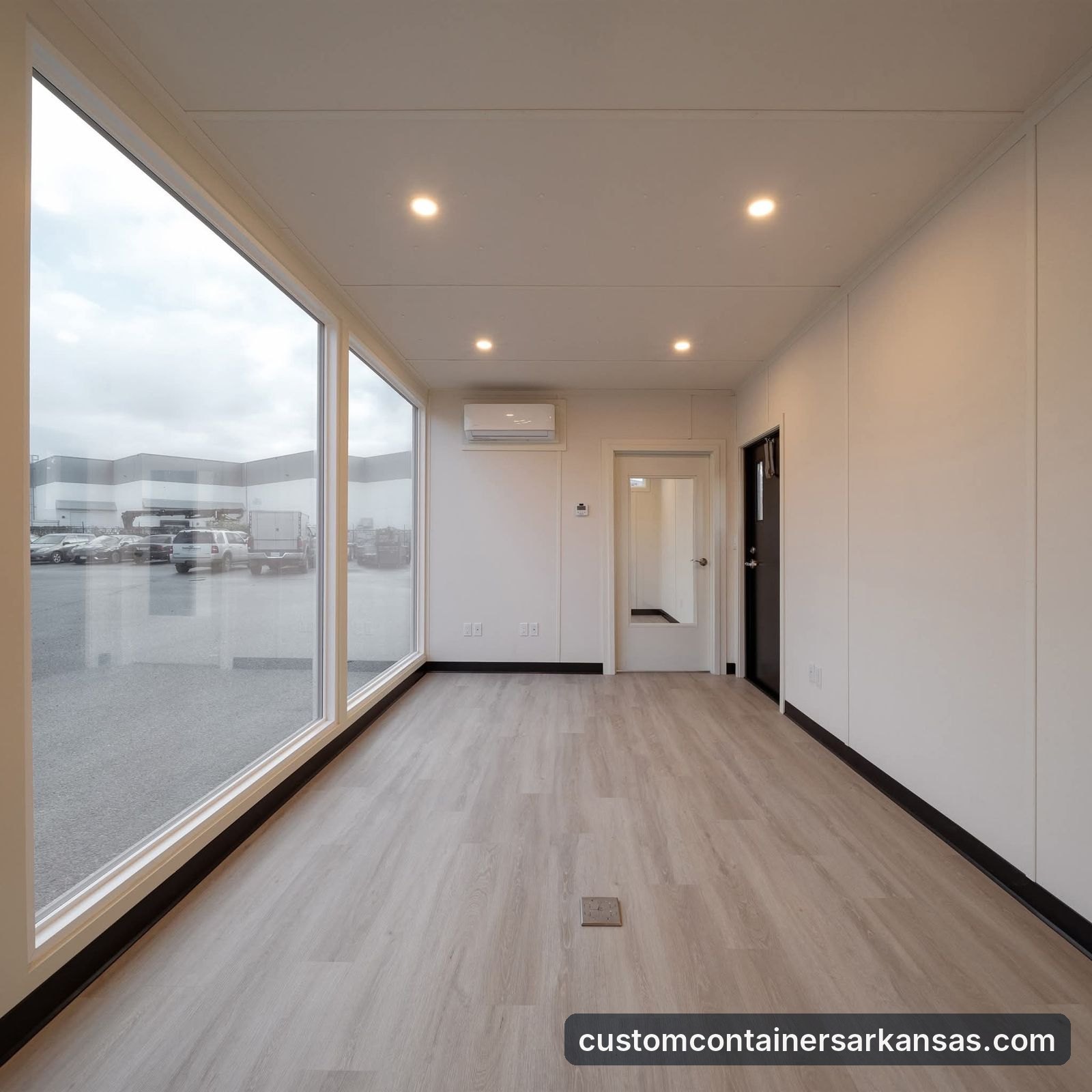
Safety first: how to heat a shipping container without the risks
How to heat a shipping container comes down to two jobs: keep the heat in, and keep the people inside safe. A container is a tight steel box. That's good for security and keeping weather out, but it also means fumes, moisture and heat build up fast. Get the order right and a container office or workshop stays comfortable all winter. Get it wrong and you risk carbon monoxide, a fire or a box that drips water on everything inside.
Three rules come before any heater choice:
- Never run a fuel-burning heater, generator or grill inside a closed container.
- Put a working carbon monoxide alarm and a smoke alarm inside, and test them.
- Have a licensed electrician do the electrical work, including any heater that's hard-wired or on its own circuit.
Insulate first, then heat
Bare steel walls lose heat about as fast as you can add it. A heater in an uninsulated container runs nonstop, the walls stay cold, and warm, damp air turns to water on the steel.
Insulation fixes all three. It's also much easier to fit before the walls are lined and the wiring is in. Our guide on how to insulate a shipping container compares spray foam, rigid panels and framed batts, and explains how to avoid trapping moisture against the steel.
If the container only holds tools or equipment that don't mind the cold, you may not need heat at all. Heating makes sense when people work inside, when what's stored can't freeze, or when there's water in the box.
Electric options: wall panel heaters and mini-splits
For a closed steel box, electric heat is the safer choice. It doesn't burn fuel, so it doesn't make carbon monoxide or add combustion moisture to the air.
The common options:
| Option | How it works | Good for | Things to plan |
|---|---|---|---|
| Wall panel heater | Fixed electric heater mounted on the wall | Small offices, guard shacks, workshops | Circuit and outlet placement; keep it clear of stored items |
| Mini-split heat pump | Indoor wall unit plus an outdoor unit, heats and cools | Offices, studios, cabins used year-round | Wall openings, the outdoor unit's spot, installer and electrician |
| Portable electric heater | Plug-in unit you move around | Short-term use while someone's present | Fire safety habits below; not a fix for an empty box |
Sizing. How much heat you need depends on the container's size, its insulation, how many doors and windows it has and how cold it gets where you are. Don't guess from a rule of thumb. Ask your HVAC installer or electrician to size the heater for your container and climate.
Portable heater habits. If you use a plug-in heater:
- Pick one with tip-over and overheat shutoff.
- Follow the manufacturer's manual, including how it should be plugged in and how much clear space it needs.
- Keep it away from paper, fabric, fuel, paint and anything else that burns.
- Turn it off when you leave. Don't leave it running in an empty container.
Why fuel-burning heaters in a closed steel box are dangerous
Propane, kerosene and other fuel-burning heaters produce carbon monoxide (CO), a gas you can't see or smell. In a small, tight space like a container, it can build up quickly. Early symptoms such as headache, dizziness and nausea are easy to mistake for a cold or tiredness, and high levels can kill.
Fuel-burning heaters bring other problems too:
- Fire. An open flame or hot surface near stored goods, fuel or a wood floor is a real risk.
- Moisture. Burning fuel releases water vapor, which feeds condensation on cold steel.
- Low oxygen. A closed box with no fresh air is the wrong place for anything that burns.
Practical rules:
- Don't use fuel-burning heaters inside a closed container. If you're not sure whether a heater is meant for indoor use, don't use it indoors.
- Never run a generator inside, or close enough that exhaust can drift in through the doors or vents.
- Fit a battery-powered or battery-backup CO alarm and test it regularly, along with a smoke alarm.
- Keep a fire extinguisher by the door, where you can reach it on the way out.
- If an alarm sounds or people feel sick, get everyone into fresh air and call 911.
The EPA's carbon monoxide guidance lists unvented kerosene and gas space heaters and generators among the common sources of CO, and warns never to use a portable generator inside sheds or similar areas. It's worth reading before winter.
Pipes and water lines in a freeze
A container with a sink, restroom or water line needs a freeze plan, since steel walls get very cold during a Mid-South cold snap.
- Run water lines on the inside of the insulation, not against the bare steel.
- Insulate exposed pipes, including where the line enters the container.
- Use heat tape only if it's listed for the job, and install it exactly as its instructions say.
- Keep some heat on with a thermostat if water stays in the lines, or shut off and drain the lines if the container will sit unheated.
- Know where the shutoff is before the first freeze.
Heat and condensation together
Heating a container can make condensation worse if the air has nowhere to go. People breathe, coffee makers steam and wet boots dry out. That moisture lands on the coldest surface, often a bare steel corner or the ceiling.
Heat, insulation and ventilation work as a set:
- Insulate and seal so warm, damp air can't reach the cold steel.
- Ventilate. A vent, an exhaust fan or opening the door now and then lets damp air out.
- Watch the humidity. A simple hygrometer shows whether it's climbing, and a dehumidifier can help.
Our guide on how to stop shipping container condensation covers vents, desiccants and a winter check routine.
Offices and cabins: what to ask when ordering
If you're ordering a 40ft office container or a container cabin, it's easier to plan heat before the build than to add it after. Questions to answer:
- How will you heat it? A mini-split, a wall heater or both?
- Is it insulated, and how? Walls, roof and floor.
- Where do the outlets and the heater go? Plan the layout before the walls are lined.
- How does power get in? An exterior power inlet and breaker make the on-site hookup simpler for your electrician. Our ready-made 10ft workshop and guard shack comes with both, plus outlets in metal conduit, so a wall heater is easy to add.
- Where do the alarms go? Smoke and CO alarms should be part of the plan.
- How does fresh air get in? Vents or a fan, not just the door.
We can build HVAC and electrical add-ons in our Marion yard before the container ships. The final hookup on site may need a local licensed electrician, and your city or county may require a permit and inspection.
Get a heated container quoted
Tell us how you'll use the container, the size you want, how you plan to heat it and your delivery ZIP. We'll be in touch within 1 business day with a written quote that includes delivery and sales tax. Payment is by bank transfer, and our bank details come with the quote.
Request your written quote. Delivery and sales tax are included.
Frequently asked questions
Can I leave a space heater running in an empty container overnight?
It's not a good idea. A heater left running with nobody there is a fire risk. If something must stay above freezing, use a permanently installed heater with a thermostat, wired by a licensed electrician.
Do I need a carbon monoxide alarm if all my heat is electric?
Fit one anyway if a generator, vehicle or any fuel-burning equipment is ever used nearby. It's a simple extra layer of protection and a good habit for any space people use.