Shipping container locks are the first thing most owners think about, and the smallest part of the setup is often where a break-in starts. A steel box with a hardware-store padlock on the handle is only as strong as that padlock. This guide covers the lock types that work on container doors, how they're attacked, and the simple site habits that do as much as the lock itself. It's general guidance for storage on a farm, job site, camp or back lot.
Shipping container locks: why ordinary padlocks fail
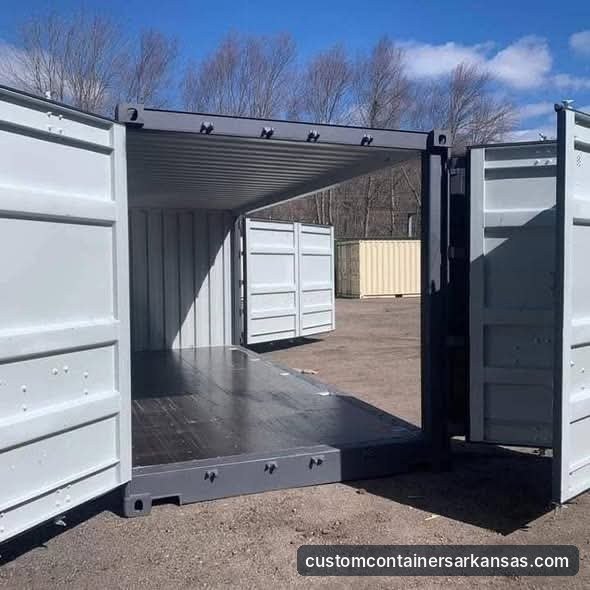
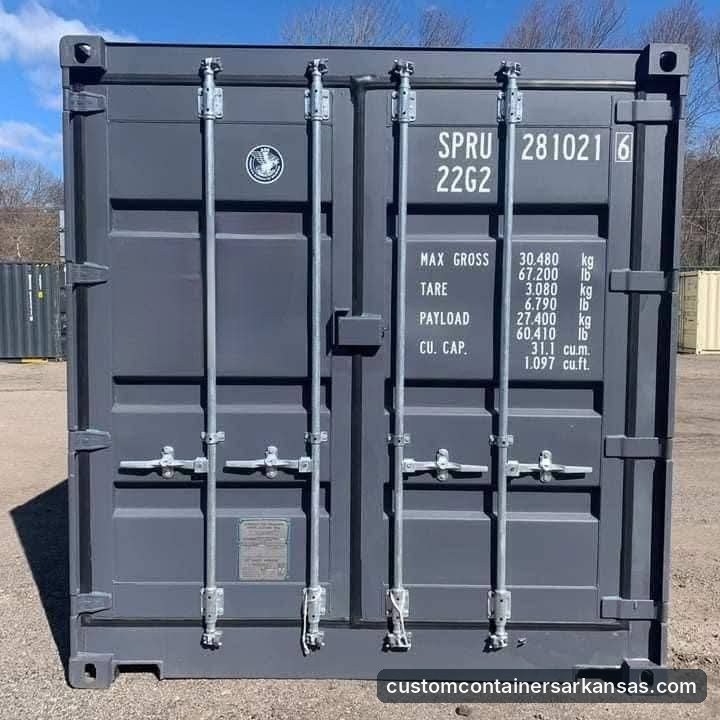
Container cargo doors close with vertical locking bars. You lift the handles, swing them shut and drop them into keepers, and the lock goes through a loop on the handle. That's the weak point.
A standard padlock leaves its shackle out in the open. Anyone with bolt cutters, a pry bar or a cordless grinder can get at it in a minute, and a thin or low-grade shackle gives way fast. Long shackles are worse, because they leave room to get a cutter jaw or bar behind them.
If you're using an ordinary padlock today, a few quick upgrades help:
- Pick a shrouded or short-shackle padlock with a hardened steel shackle.
- Lock the handle on the right-hand door. On most containers that door closes over the left one, so the left door can't open until the right one does.
- Keep the lock off the ground and out of standing water so it doesn't rust shut.
That said, the real fix is to hide the shackle completely.
Lockboxes and shrouds
A lockbox, sometimes called a lock shroud, is a steel box welded to the door around the handle and keeper. The padlock sits inside the box, so there's no clear line for bolt cutters and little room for a pry bar.
Lockboxes are common on containers left unattended because they turn a quick cut into a slow, noisy job. A few things to know:
- It needs the right lock. Most lockboxes are made for a puck lock (below). A regular padlock may not fit, or it may leave the shackle exposed anyway.
- It's welded on. It's easiest to fit before delivery. On a container you already own, a local welder can usually add one.
- It can trap water. Check that the box drains and give the lock a shot of lubricant before winter.
Puck (disc) locks
A puck lock is a round, flat lock with a short shackle hidden inside its body. Only a small part of the shackle is exposed when it's locked, so there's very little to cut. That's why, among shipping container locks, the puck lock is the usual partner for a lockbox.
When you shop, look for a hardened steel body and a shackle that's fully covered when closed. Buy from a hardware or security supplier you trust, and keep the spare keys somewhere other than the truck parked next to the container.
Inside bar and cross-bar locks
These add a second layer, and they work well alongside a lockbox and puck lock.
- Cross-bar locks are heavy steel bars that clamp across the middle locking bars of both doors. With the bar in place, the handles can't be lifted even if the main lock is cut. The bar has its own lock, so a thief has two locks to beat, not one.
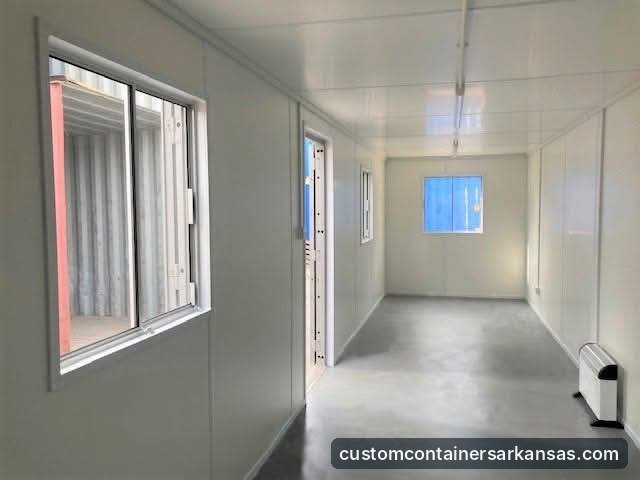
- Inside bars brace the cargo doors from the inside. They make sense when a container has a separate man door with its own lockset, which is common on offices and workshops. You lock the cargo doors from inside and come and go through the man door.
Two locks of different types also mean a thief needs two different tools, which takes time most of them don't want to spend.
Site habits that matter more than the lock
No lock makes a container impossible to open. The goal is to make a break-in slow, noisy and easy to see. Where and how the box sits has a lot to do with that.
- Placement. A container in view of a house, an office window or a road with regular traffic is a harder target than one tucked behind a tree line. On remote land the opposite can be true: out of sight of the road means out of mind. Our post on shipping container storage for hunting land covers that case.
- Which way the doors face. Doors that face the road or your work area mean anyone at the lock is in plain view. Doors that face a wall or another container with only a narrow gap make it hard to work on the lock, but you'll need that gap wide enough to open the doors yourself.
- Lighting. A motion-sensor light over the doors costs a thief their cover. Solar units work where there's no power. Our ready-made 10ft workshop and guard shack comes with an LED flood light over the cargo doors and a lockbox already fitted.
- Cameras. A trail or security camera aimed at the doors tells you who's been around, and a visible camera discourages people on its own.
- Keys. Know who has a copy. Rekey or swap the lock when a worker or club member leaves.
- Records. Keep photos and serial numbers of what's inside, stored somewhere other than the container.
Common-sense theft prevention follows the same lines: avoid leaving gear in remote, unwatched spots when you can, keep photos and serial numbers that help police identify stolen items, and report a theft to law enforcement and your insurer right away.
Holiday weeks and the off-season are when sites sit empty the longest. If the job site or camp will be quiet over Thanksgiving or Christmas, check the locks and lights before you leave.
What not to store unattended
A container is good storage, but some things shouldn't be left in one when nobody's around:
- Cash, titles and important papers. Keep these at home or in a bank.
- Small, high-value tools that are easy to resell. Take them home or lock them in a gang box bolted inside.
- Fuel and other flammables. Follow the label on the can, and keep fuel out of any space where people work or sleep.
- Firearms and ammunition. Follow the law and your insurer's requirements. If in doubt, take them with you.
- Anything your policy doesn't cover while it's stored off site. Ask your insurer before you load it.
Security add-ons we can fit before delivery
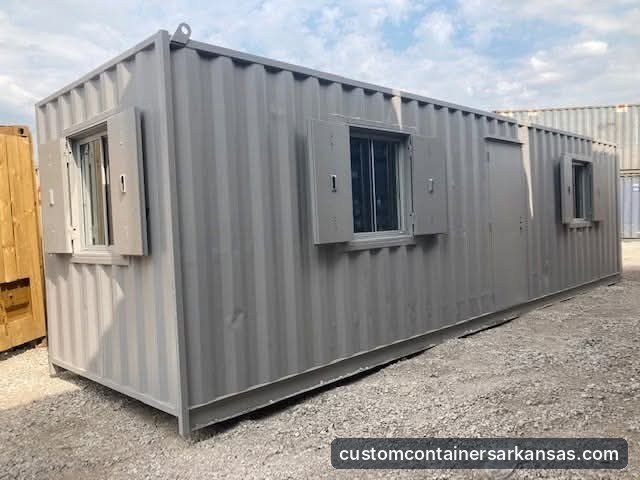
If you're ordering a container, security work can be built in at our Marion yard before it ships, so it arrives ready to lock. Our lockbox and security add-ons include lockbox shrouds and heavy-duty hardware, and windows can be fitted with security bars. Containers used as offices or workshops can get a steel man door with a lockset, too. The 40ft office in the photo above has steel shutters over its sliding windows that close at night.
Not sure what you need yet? Browse our steel storage containers, or see our job-site storage rentals if you only need storage for one project.
Get a secure container quoted
Tell us what you'll store, where the container will sit and your delivery ZIP. List any security add-ons you want, such as a lockbox, window bars or a man door. We'll be in touch within 1 business day with a written quote that includes delivery and sales tax. Payment is by bank transfer, and our bank details come with the quote.
Request your written quote. Delivery and sales tax are included.
Frequently asked questions
Can a lockbox be added to a container I already own?
Usually, yes. A lockbox is a steel shroud welded over the door handles, so a local welding shop can often fit one. On a new order, it's simpler to have it built in before the container ships.
Are keyed-alike locks a good idea for several containers?
They're handy on a job site or farm with more than one box. The trade-off is that one lost key opens everything, so keep a key log and rekey when someone leaves.