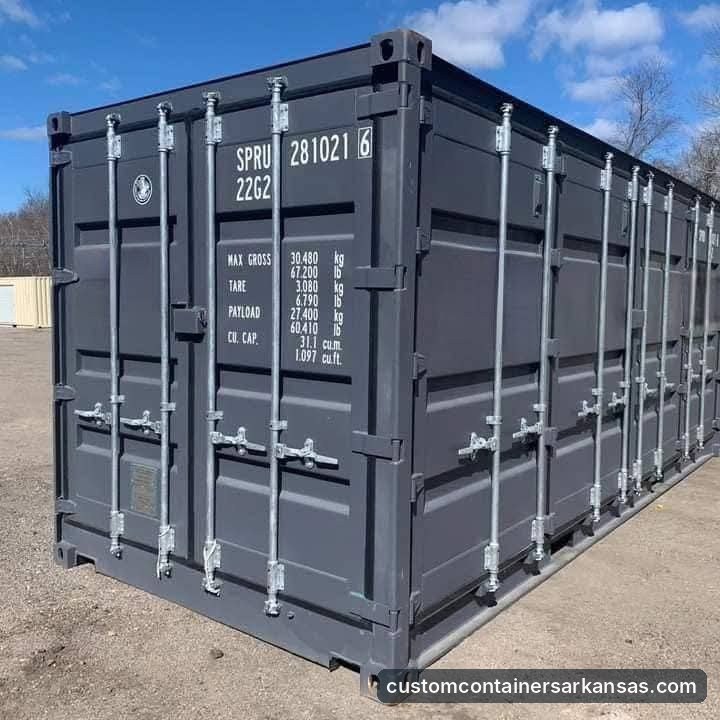
Shipping container grades are the short labels sellers use to describe a used box: one-trip, cargo-worthy, wind and watertight, as-is. They look like a rating system, but they're closer to trade shorthand. Each one tells you roughly how much wear to expect, and none of them replaces looking at the actual unit. This guide explains what each grade does and doesn't promise, what the CSC plate on the door can and can't tell you, and how to read a container listing so you know what you're being offered.
If you're still deciding between new and used, start with our new vs used shipping container guide. This post goes one level deeper on the labels themselves.
Why shipping container grades matter
The grade is the seller's promise about condition, made before you've seen the box. It shapes three things:
- What you can do with it. Ground storage, shipping freight and building an office all ask different things of the steel.
- What "normal" looks like. Dents and faded paint are expected on some grades and a red flag on others.
- What you can push back on. If the box that arrives doesn't match the grade in writing, that written grade is your reference point.
Grade is also one of the things that changes a container's quote, along with size, height and add-ons. Our guide to what changes a container's price covers the rest.
One-trip
One-trip means the container was built overseas and carried one load to the US before being sold. It's the closest thing to new in the container trade, because containers are built where goods are made.
What it promises: little service wear, even paint, straight walls, a clean floor and door seals that are still soft.
What it doesn't promise: a showroom finish. Cranes, ships and trucks leave light scuffs and the odd small dent. Those are normal handling marks.
A one-trip box is the usual starting point for offices, studios, cabins and anything with large wall cuts.
Cargo-worthy and the CSC plate
Cargo-worthy (CW) means a used container that's still fit to carry freight. Think structurally sound: corner posts, rails, roof and floor in shape to be lifted, stacked and loaded. Expect dents, surface rust and patchy paint from years in service.
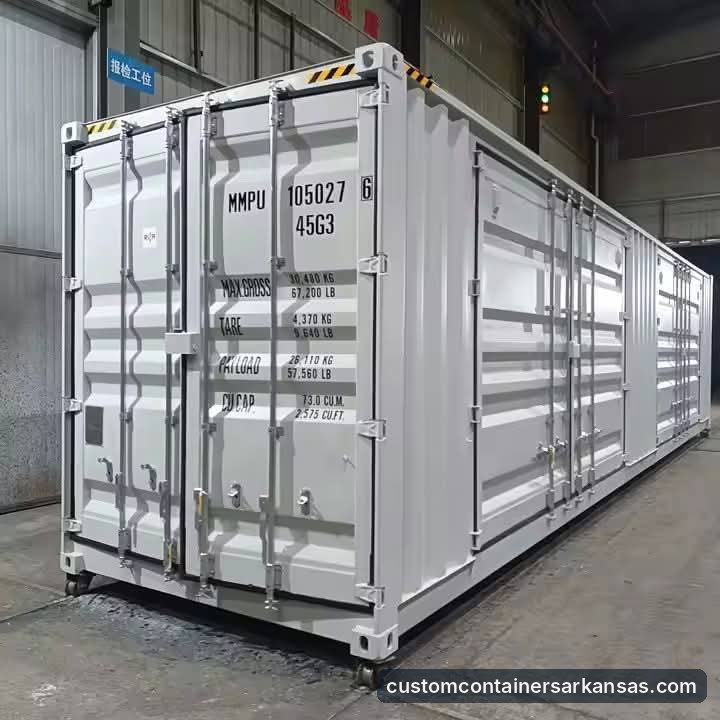
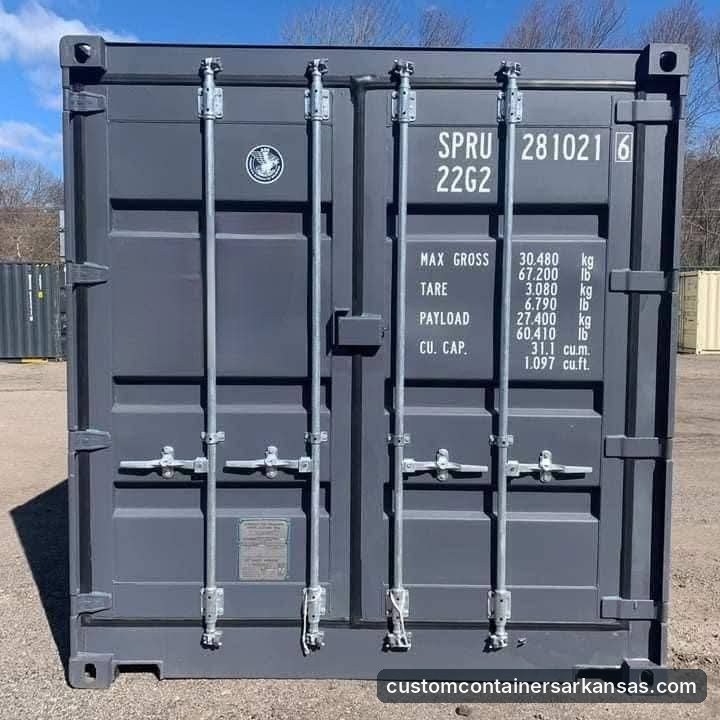
The CSC plate is where this grade gets real. Containers built for international transport carry a safety approval plate under the International Convention for Safe Containers (CSC), usually riveted to a cargo door. Our inspection guide shows where to find it and the main details it lists, such as the date of manufacture and the maximum gross weight.
For grading, the part that matters most is the examination record. A container in service has to be examined on a schedule. The plate, or a sticker or stamp near it, shows either a next examination date or a reference to an ongoing examination program, often marked "ACEP" followed by a number. Here's how to read it:
- A current date or ACEP mark backs up a cargo-worthy claim, at least as of the last examination.
- A lapsed date is common on boxes sold out of service. It doesn't mean the container is unsound for storage. It does mean the plate isn't backing up a "cargo-worthy" label.
- No plate at all is common on older storage units. Fine for a barn lot, but not a box to load for a voyage without a fresh examination.
Some listings also mention IICL, the Institute of International Container Lessors. It's a trade association of container leasing companies, and its inspection criteria are used when leased containers come off hire. "IICL" isn't a standard sales grade. If a listing uses it, ask what inspection was done, who did it and when, and get that in writing.
Wind and watertight
Wind and watertight (WWT) means a used container that keeps rain and wind out: no holes, a roof that sheds water and doors that close and seal. It usually has more cosmetic wear than a CW box and is no longer expected to carry ocean freight.
What it promises: dry storage on the ground.
What it doesn't promise: looks, a current CSC examination, or a floor free of stains. Some WWT boxes are nearly as sound as cargo-worthy ones and some are near the end of their service life. The label covers both.
The quick checks still apply. Stand inside with the doors shut and look for daylight, check the door gaskets, and look for dents in the roof that would hold water.
As-is
As-is means the container is sold with known problems, such as holes, rusted-through spots, a soft floor or doors that won't seal. The seller isn't claiming it's wind and watertight.
As-is can make sense if you have a welder and a use that doesn't need a sealed box, such as shade, a windbreak or a parts shell. It isn't the right pick for anything that needs to stay dry. Before you agree to one, ask the seller to list the known problems in writing.
Grades aren't one standard: get condition in writing
No single body defines these labels for the resale market. One yard's cargo-worthy can be another yard's wind and watertight, and terms like "WWT plus", "grade A" or "refurbished" mean whatever that seller says they mean. That's not a reason to distrust every listing. It's a reason to pin the details down:
- Ask for photos of the actual unit, not a stock picture: both sides, both ends, the roof, the inside and the floor.
- Ask for the container number (four letters and seven digits) so the photos, the quote and the box that arrives all match.
- Ask for a photo of the CSC plate if you need the box to be cargo-worthy.
- Get the condition in writing on the quote, in plain words, not just a grade code.
With us, the condition of the container you're buying is stated in your written quote.
How to read a container listing
Listings pack a lot into one line. Here's how to unpack a typical one, such as "40' HC CW, 2015, double doors, ex-ocean":
| Listing term | What it means | What to ask |
|---|---|---|
| 20' / 40' | Length in feet | Will it fit your site and the delivery path? |
| HC | High cube, a foot taller than standard | Do you need the extra height? |
| One-trip, CW, WWT, as-is | The condition grade | Which defects are included? |
| Year (e.g. 2015) | Build year, usually from the CSC plate | Can you send a photo of the plate? |
| Ex-ocean, ex-lease | Recently retired from shipping or leasing | When was the last examination? |
| Double doors, open-side | Door layout | Do the doors open on both ends? |
| Refurbished, repainted | Work done after service | What was repaired, and was the floor treated? |
If a listing is vague, ask. A seller who knows the unit can answer these questions quickly.
Which grade for which job
| Job | Usual grade | Why |
|---|---|---|
| Office, studio or cabin | One-trip | Straight steel is easier to cut, frame, insulate and finish |
| Storage in a visible spot | One-trip or a clean CW | Looks matter in a front yard or at a storefront |
| Shipping or hauling goods | CW with a current examination | The CSC record backs up the claim |
| Farm, shop or job-site storage | WWT | Dry and secure is what counts |
| Shade, windbreak or parts shell | As-is | Only if you can live with the known problems |
These are general guides, not rules. A sound WWT box can carry a light modification, and a one-trip box is overkill for feed sacks behind a barn. For short answers on grades, foundations and keeping a box dry, see our container FAQs.
Get a container quoted by grade
Browse our containers in one-trip and used grades, then tell us the size, the grade you want, what you'll use it for and your delivery ZIP. We'll be in touch within 1 business day with a written quote that states the container's condition and includes delivery and sales tax. Payment is by bank transfer, and our bank details come with the quote.
Request your written quote. Delivery and sales tax are included.
Frequently asked questions
Is a refurbished container a grade?
Not a standard one. Refurbished usually means a used box that was repaired and repainted. Ask what was fixed, whether the floor was touched, and what grade the container was before the work.
Can I ship goods overseas in a container I bought for storage?
Only if it is fit for transport and its CSC examination is current. A box sold for ground storage often isn't. Ask a freight forwarder before you load it for a voyage.