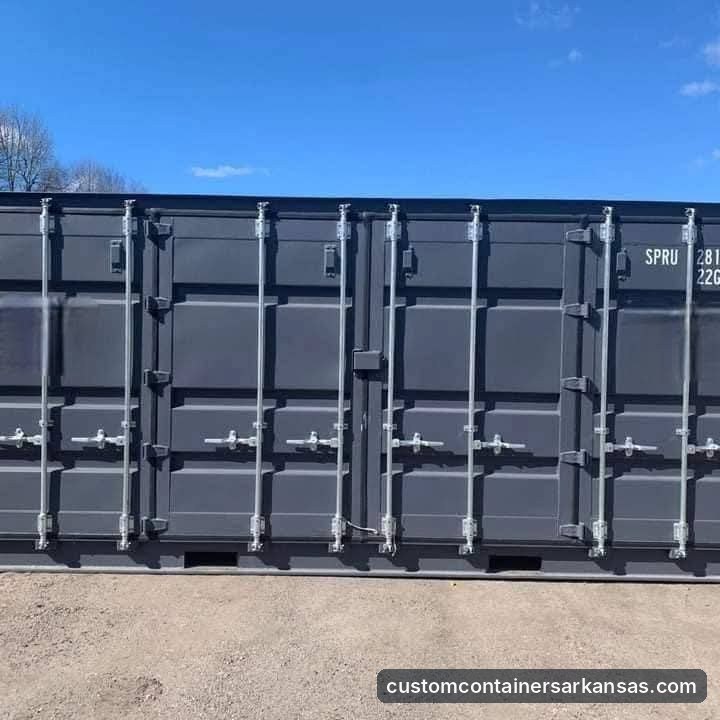
This farm storage container winter checklist is for the weeks after the combines are parked. A container that was opened ten times a day in October can sit shut until spring, and that's when moisture, mice and small problems with the box itself catch up with you. An afternoon spent cleaning out, sorting and checking now saves a hunt for parts and a mess of rust or chewed bags at planting time. Work through it in order and you'll head into winter knowing what you have and where it is.
Harvest is wrapping up: why to run a farm storage container winter checklist now
Across much of Arkansas, the 2026 harvest is close to done. The University of Arkansas System Division of Agriculture's crop-progress update of Nov. 11, 2026 reported the row-crop harvest nearing completion. That makes late November and early December a good window. The container is still easy to get into, the ground is often drier than it will be in January, and what you used this season is fresh in your mind.
Clean out and inventory
Start with an empty floor if you can, or at least one end at a time.
- Pull everything out and sort it into keep, fix, return and throw away.
- Sweep and shovel out chaff, dirt, spilled seed and feed. Spilled grain is an open invitation to rodents.
- Look at the floor while it's bare (more on that below).
- Make a simple inventory of what goes back in. A sheet on a clipboard inside the door or a list on your phone is enough. Note anything you're short of so you can order it over winter.
- Load back by season. What you won't touch until spring goes to the back. Tools and supplies you need for winter work go near the doors.
Moisture and rodents over winter
Two things do the most damage in a closed container over a Mid-South winter: condensation and rodents.
Condensation. Mild, damp days followed by cold, clear nights make the steel roof sweat on the inside. Water then drips onto whatever is underneath. Keep the vents clear, put things on pallets, leave a gap between stored items and the walls, and don't load anything wet. Our guide on how to stop shipping container condensation covers the causes and fixes in detail.
Rodents. A closed box full of seed bags, feed and cardboard looks like a winter home to mice and rats.
- Keep feed, seed and anything edible in sealed metal cans or heavy plastic bins, not open bags.
- Check the door gaskets for gaps and tears where something could squeeze in.
- Set traps or bait stations along the walls, following the product label, and check them when you visit.
- Don't stack cardboard boxes against the walls. They're nesting material, and they wick up moisture.
Parts, filters and small tools: organize for spring
The container is often where spare parts, belts, filters and bearings end up after a long harvest. Sort them now while you still remember which machine they belong to.
- Group parts by machine (planter, combine, sprayer, tractor) in labeled bins or on labeled shelves.
- Keep filters and belts in their boxes or in sealed bags so they stay clean and dry.
- Hang hand tools on a pegboard or wall rack so missing tools are obvious.
- Lightly oil bare steel tools before storage so they don't rust over a damp winter.
- Write a spring parts list as you go. Ordering during the slow months beats waiting on a part in April.
Fuel and chemicals: keep them out of the general box
Fuel, oil, pesticides and fertilizer don't belong mixed in with seed, feed and tools in a general storage container. Spills, fumes and fire risk all go up in a closed steel box.
- Follow the label. Pesticide and fuel labels give storage directions, including temperature limits and what to keep them away from.
- Keep chemicals well apart from seed and feed. Don't stack them together, even for a short time.
- Keep fuel cans out of any space where people work.
If you store chemicals in a container at all, give them a separate, well-ventilated space and check with your county extension office about good practice. We'll cover storing farm chemicals and seed in more depth in a later post.
Check the container itself: seals, roof and floor
With the box empty or close to it, give the container a once-over. It takes about as long as a coffee break.
- Door seals. Run your hand along the rubber gaskets. Look for tears, flattened sections or gaps when the doors are shut.
- Locking bars and hinges. Work the handles. If they're stiff, clean and grease the bars, keepers and hinges so they don't seize in a freeze.
- Roof. From a ladder (never stand on a wet roof), look for dents that hold water and for rust spots. Clear off leaves and limbs.
- Light test. Close yourself inside on a sunny day and look for pinholes of daylight in the roof and walls.
- Floor. Look for soft spots, especially near the doors where equipment rolls in and out.
- Rust. Wire-brush surface rust and touch it up with a rust-inhibiting primer and paint before winter.
- Data plate. Take a phone photo of the plate on the door and any serial numbers, and keep it with your farm records in case you sell, insure or move the container.
- Ground. Make sure water drains away from the container and doesn't pond under the doors. Clear weeds from underneath so air can move.
If you find a leak you can't fix, or a floor that's soft over a wide area, that's worth sorting out before you load seed or anything that can't get wet.
Adding shelving or a roll-up door before spring
Winter is a good time to plan changes for next season. If you're short on storage or tired of digging for parts at the back of the box, think about what would help. Planning it over the slow months gives you time to decide before fieldwork starts:
- Shelving and racks to get parts and supplies off the floor and organized by machine.
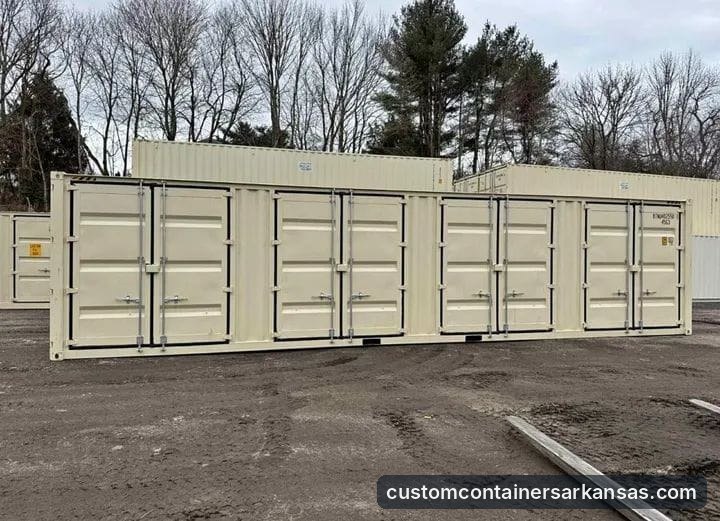
- A roll-up door for everyday access without swinging heavy cargo doors in the wind. Our 40ft roll-up door storage container comes with four, so seed, parts and tools can each have their own bay.
- Extra vents to cut down on condensation.
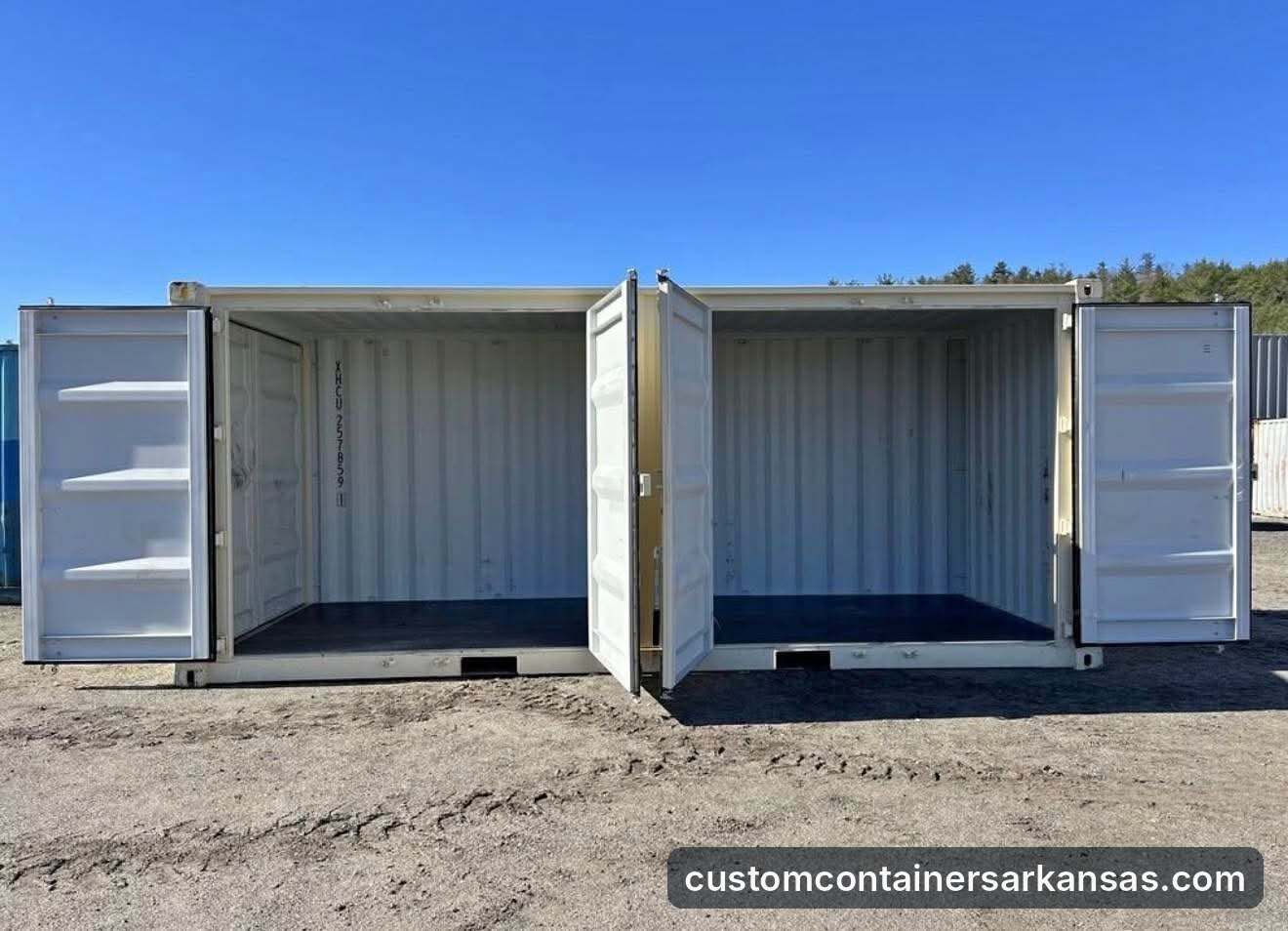
- Open-side access. A 20ft open-side container opens up the whole long side, so you can load pallets, mowers and ATVs from the side instead of digging from the back.
If you're adding a container for spring, we build shelving and roll-up doors in our Marion yard before it ships. For farms in our area, see our page on shipping containers for sale in Jonesboro, AR and the rest of Northeast Arkansas.
Plan your spring storage now
Once you've worked through this farm storage container winter checklist, you'll know whether you need more room. Tell us what you need to store, how you'd like to get it in and out, and your delivery ZIP. We'll be in touch within 1 business day with a written quote that includes delivery and sales tax. Payment is by bank transfer, and our bank details come with the quote.
Request your written quote. Delivery and sales tax are included.
Frequently asked questions
Should I leave the container doors cracked open over winter?
No. A gap lets in rain, rodents and birds. Keep the doors shut, rely on vents for airflow, and open up fully on dry, sunny afternoons to air it out.
How often should I check a farm container over winter?
A quick look about once a month works for most farms, plus a check after heavy rain, a hard freeze or high wind. Look at the ceiling, corners, floor and door seals.